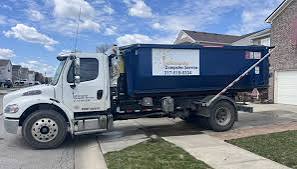
A well-organized home is easier to maintain, but unwanted belongings can build up over many years. Spare rooms become storage spaces, garages fill with unused equipment, and basements collect furniture and boxes that nobody remembers packing. Clearing these areas can feel overwhelming when there is no practical way to remove everything that is no longer needed. I have found that a planned cleanup, combined with suitable dumpster services, can make the process much more manageable.
Starting With a Clear Decluttering Plan
Before removing anything, decide which areas need the most attention. Trying to clear an entire property in one day can lead to rushed decisions and unnecessary stress. Starting with one room or storage area makes it easier to see progress and stay focused.
I recommend dividing belongings into categories such as keep, donate, sell, recycle, and discard. This helps prevent useful items from being thrown away simply because they are taking up space. Once the unwanted materials have been identified, estimate how much waste will need to be removed.
This estimate can help determine whether a dumpster rental is appropriate and which container size may be suitable. A clear plan also makes it easier to organize family members or helpers before the cleanup begins.
Clearing Garages and Storage Spaces
Garages often contain a mixture of household goods, old tools, damaged furniture, empty boxes, and unused equipment. Some items may have been stored for years without being used. Removing them can create valuable space for vehicles, workbenches, bicycles, or organized storage.
A dumpster can provide a convenient place for approved unwanted materials during a large garage cleanout. However, not everything found in a garage belongs in a standard container. Motor oil, fuel, pesticides, paint, batteries, and certain automotive products may require specialized disposal.
I suggest separating these materials before loading begins. Checking local disposal guidance and the rental company’s restrictions can prevent problems later.
Making Basements and Attics Easier to Manage
Basements and attics frequently become long-term storage areas. Old mattresses, damaged shelves, broken decorations, worn carpets, and unused household items can take up much of the available space.
A careful cleanout gives homeowners an opportunity to inspect these areas and remove belongings that no longer serve a purpose. I recommend working in small sections so that pathways remain clear and items can be sorted without creating a larger mess.
Some bulky materials may be suitable for dumpster disposal, depending on the provider’s rules. Electronics, appliances, and items containing hazardous substances may need separate arrangements. If an attic or basement contains potentially hazardous insulation or other building materials, professional advice may be necessary before removal.
Choosing a Dumpster That Fits the Cleanup
The correct container size depends on the amount and type of material being discarded. A small decluttering project may require less capacity than a full garage, basement, and attic cleanout.
Furniture, mattresses, and large household objects can occupy significant space. Heavy materials such as tiles, concrete, and certain building products may reach weight limits more quickly than expected.
When requesting a rental quote, explain which rooms are being cleared and identify any bulky or heavy items. The rental provider can use this information to recommend a suitable container. It is also worth asking whether additional pickups are available if the cleanup takes longer or produces more waste than expected.
Scheduling the Rental Around Your Routine
A home cleanout can take several days, especially when family members are sorting belongings or working around regular responsibilities. Choosing a rental period that is too short may create unnecessary pressure.
I recommend estimating how many days will be needed for sorting, carrying, and loading. Allow some flexibility for unexpected discoveries, particularly in properties with years of accumulated storage.
Ask the dumpster company how its rental period works and whether extensions are available. Confirm the collection date before delivery so there is enough time to finish without keeping the container longer than necessary.
Finding a Safe and Convenient Placement Area
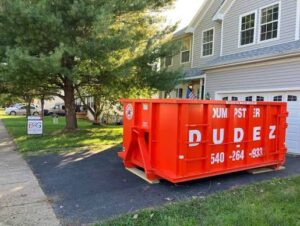
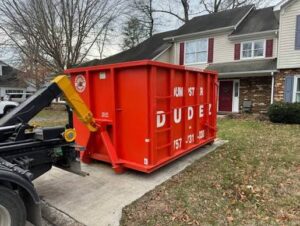
The dumpster should be placed where it is easy to load but does not interfere with normal access to the property. A driveway is often a practical option, provided the delivery truck has enough room to position the container.
Before delivery, move vehicles and other obstacles away from the selected area. Check for low branches, overhead wires, narrow gates, and surfaces that may not support the container safely.
I also suggest considering the distance between the home and the dumpster. A location that is too far away can make repeated trips tiring, while one that blocks an entrance can create inconvenience. If public street placement is necessary, check whether local permission or a permit is required.
Understanding Accepted Materials and Disposal Rules
A household decluttering project can produce many different waste types. General household junk, certain furniture, and approved renovation debris may be accepted by a rental provider. Other materials may have restrictions.
Before loading, request a clear list of prohibited items. Hazardous chemicals, some electronics, batteries, tires, medical waste, and certain appliances may need separate handling. Rules can vary depending on local disposal facilities and the rental company’s policies.
Following these requirements helps avoid rejected loads and additional fees. It also ensures that materials requiring special treatment are directed to appropriate disposal services.
Keeping the Cleanup Safe and Organized
Decluttering often involves lifting heavy objects, handling broken materials, and moving items through narrow spaces. Good organization can reduce the chance of accidents.
I recommend keeping hallways and doorways clear throughout the project. Heavy furniture should be moved with suitable equipment and enough assistance. Gloves and sturdy footwear can help protect against sharp edges and loose debris.
The dumpster should be loaded according to the provider’s instructions. Distribute heavy materials evenly, keep everything below the fill line, and never attempt to force extra waste into an already full container. Children and pets should remain away from the loading area.
Reducing Waste Through Donation and Recycling
One of the most useful parts of decluttering is discovering how many unwanted items can still be used. Furniture in good condition, clothing, books, kitchen equipment, and household decorations may be suitable for donation or resale.
Some materials can also be recycled through local programs. Clean cardboard, certain metals, and other accepted items may be separated rather than placed in general waste.
I encourage homeowners to sort these belongings before the dumpster arrives. This creates more room for items that genuinely need disposal and supports more responsible waste management. Always confirm that donated goods are clean and suitable for reuse.
Comparing Dumpster Rental Companies
Choosing a reliable provider involves more than checking the advertised rental price. Customers should compare container sizes, included rental days, weight allowances, delivery charges, pickup fees, and restrictions on accepted materials.
Ask the company to explain what happens if the container exceeds its weight limit or needs to remain on the property longer than planned. Clear answers make it easier to estimate the total cost.
Customer reviews can also provide useful information about delivery punctuality and communication. I recommend confirming the booking details in writing, including the container size, placement instructions, and collection date.
Enjoying a More Organized Living Space
A successful decluttering project can make a home feel more spacious and easier to use. Once unwanted belongings have been removed, homeowners can arrange storage more effectively and find room for the things they actually need.
Dumpster services can support this process by providing a central location for approved waste and arranging its removal after the cleanup. With careful sorting, a suitable container, and a realistic schedule, even a large household cleanout can become easier to manage.
The most important step is to begin with a plan and work through each area at a comfortable pace. By combining thoughtful decluttering with responsible waste removal, homeowners can create cleaner, more useful spaces without allowing unwanted materials to become another long-term storage problem.